
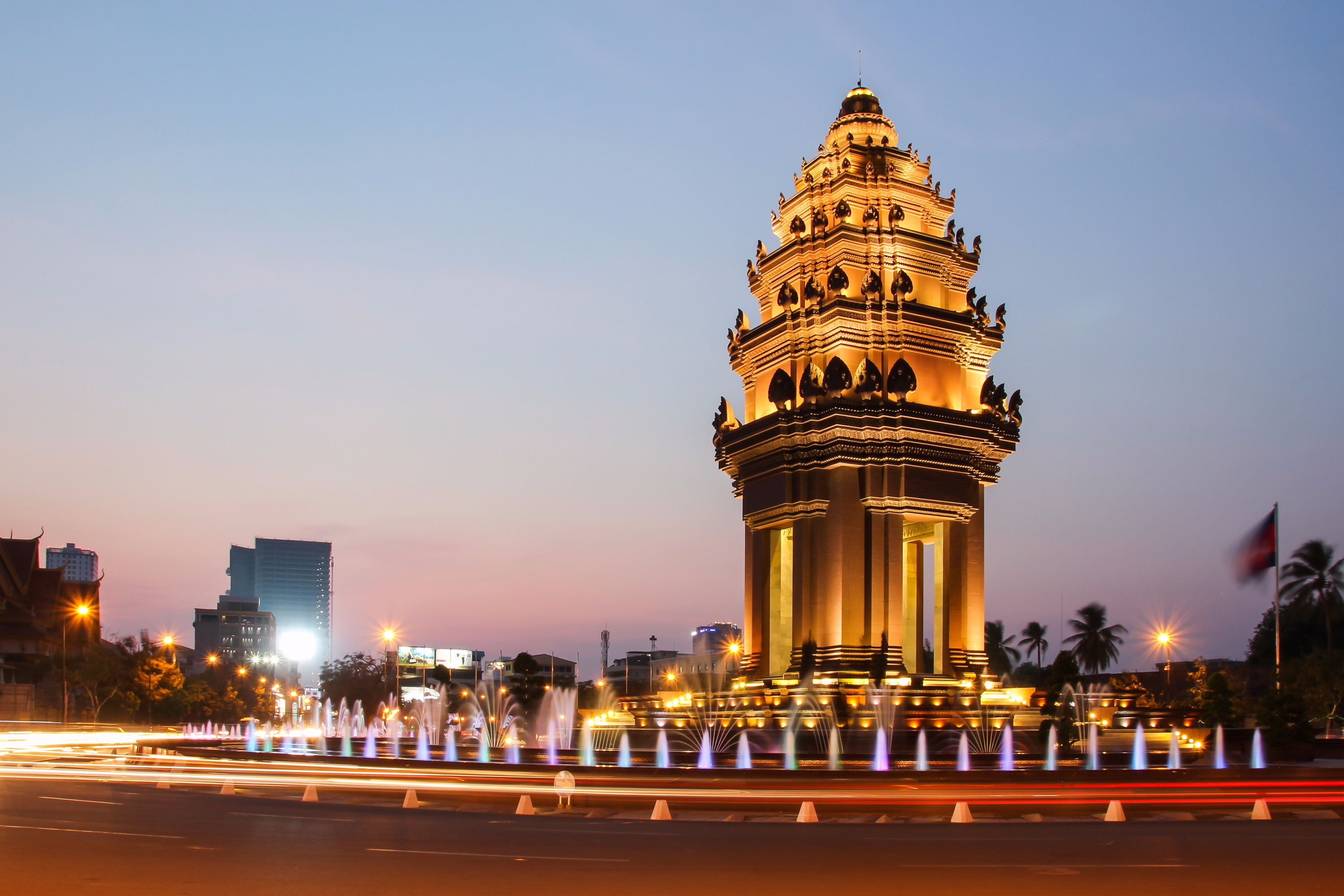
2017世界经济论坛东南亚峰会
Phnom Penh, Cambodia
概览
Top Ten outcomes of the World Economic Forum on ASEAN 2017
- The four heads of state taking part in the meeting (Cambodia, Lao PDR, Philippines and Viet Nam) endorsed a Forum proposal to examine ideas for how ASEAN can adjust its operating principles in light of accelerating global change. The Forum’s ASEAN Regional Strategy Group (RSG) – made up of 26 ASEAN CEOs, government ministers and academics – presented a plan to examine different regional integration models around the world with a view to identifying fresh ideas for the regional grouping. Rodrigo Roa Duterte, President of the Philippines and Chair of ASEAN in 2017, invited the RSG to present the research and ideas at the next ASEAN Heads of State meeting in Manila in November. Issues such as how the organization makes decisions, how it is funded and how it implements policy will be considered.
- The Sustainable Development Investment Partnership (SDIP), a collaborative initiative of the Organisation for Economic Co-operation and Development (OECD) and the Forum, announced the launch of its ASEAN regional infrastructure hub. SDIP brings together a community of 35 governments, banks, pension funds and philanthropic organizations committed to mobilizing $100 billion in projects to support sustainable and climate-resilient infrastructure. The new SDIP hub will address the financing challenges in ASEAN, with the goal of scaling the sustainable infrastructure pipeline throughout the region. Also during the meeting, the Asian Infrastructure Investment Bank agreed to join SDIP as an observer.
- Grow Asia, a partnership between the World Economic Forum and the ASEAN Secretariat that is dedicated to improving food security, convened 120 leaders from business, government and other stakeholders to shape the future of the initiative. With five country partnerships up and running in the region – in Cambodia, Indonesia, Myanmar, Philippines and Viet Nam – Grow Asia has so far reached more than 500,000 smallholder farmers with programmes aimed at improving their productivity, profitability and sustainability, each by 20%. The stakeholders in the project who gathered in Phnom Penh committed to developing “pathways to scale”, whereby the project will reach 10 million farmers in ASEAN by 2020. Deployment of digital platforms for farmers will be one of the critical strategies.
- Youth – one of the themes of the meeting – featured heavily in the programme in a number of ways. The ASEAN Regional Strategy Group shared the results of a survey of 24,000 people between the ages of 18 and 22 from six ASEAN countries. The results showed that ASEAN youth are optimistic about their future – 69% of ASEAN youth expect to have a better life than their parents, while only 13% expect the opposite. ASEAN youth are also highly aware of the Association of Southeast Nations (ASEAN), with 90% understanding its goals. What’s more, 64% of ASEAN youth believe that being part of ASEAN will improve their career and job prospects, with only 5% thinking that being part of ASEAN will make their lives worse.
- In line with the theme of youth, the Forum staged an “Open Forum” for more than 2,500 students in Phnom Penh. Established at the Forum’s Annual Meeting in Davos in 2003, the Open Forum sessions engage a diverse global public and facilitate the sharing of a broad range of ideas and perspectives on pressing issues, giving students and the public the opportunity to interact with business, government and civil society leaders. In the session in Phnom Penh, participants discussed the ASEAN Dream. With more than half of ASEAN’s population under 30 years of age, young people are critical players in defining their future. The Open Forum session was viewed live online by a further 120,000 people.
- The Forum introduced its new Production Readiness Framework to the ASEAN community as a way to help assess future manufacturing competitiveness. With the Fourth Industrial Revolution transforming manufacturing and markets at an ever faster speed, policy-makers need ways to assess what they must do to remain relevant and competitive. Six ASEAN ministers of industry are engaged with the Forum’s Future of Production work and are contributing to the future-readiness programme.
- The Forum’s ASEAN Regional Business Council, a group of 60 business leaders, shaped a new Digital ASEAN programme to help the region prepare for the digital transformations of the Fourth Industrial Revolution. The initiative, which will be launched in the months ahead, will have four priorities: improving internet access; promoting cross-border data flows; upgrading skills for the digital era; and nurturing new digital payment tools to promote e-commerce.
- The Forum’s work as Secretariat for the Global Alliance for Trade Facilitation (GATF) took a step forward, with the governments of Cambodia, Lao PDR and Viet Nam inviting the Forum’s GATF team to assess potential projects for action. The GATF aims to assess issues and barriers in behind-the-border customs procedures that impede the flow of trade between countries. The ideas put forward at the meeting varied by government, but the goals were all aligned: to improve regional trade.
- The meeting saw two social entrepreneurs from Viet Nam honoured with the Forum’s Social Entrepreneur of the Year Award. Gregory Dajer and Trang Tuyet Nga were recognized for their work with Medical Technology and Transfer Service (MTTS). This social enterprise has radically reduced the cost of life-saving neonatal devices that otherwise would not be available to people in poorer parts of the world. Such devices treat conditions such as respiratory distress syndrome; infant warmers for hypothermia; and phototherapy machines for jaundice. As of 2016, over 1.3 million babies in Asia and Africa were treated using MTTS devices.
- The Economic Growth and Social Inclusion team at the Forum presented its new index and sought regional input to the inclusive growth agenda, particularly on how companies can go beyond traditional approaches to corporate social responsibility. The team is building a repository of successful policies implemented by both business and government that promote more inclusive growth, and the ASEAN meeting helped to contribute new policies and share ideas that are already identified.