
2017世界经济论坛非洲峰会
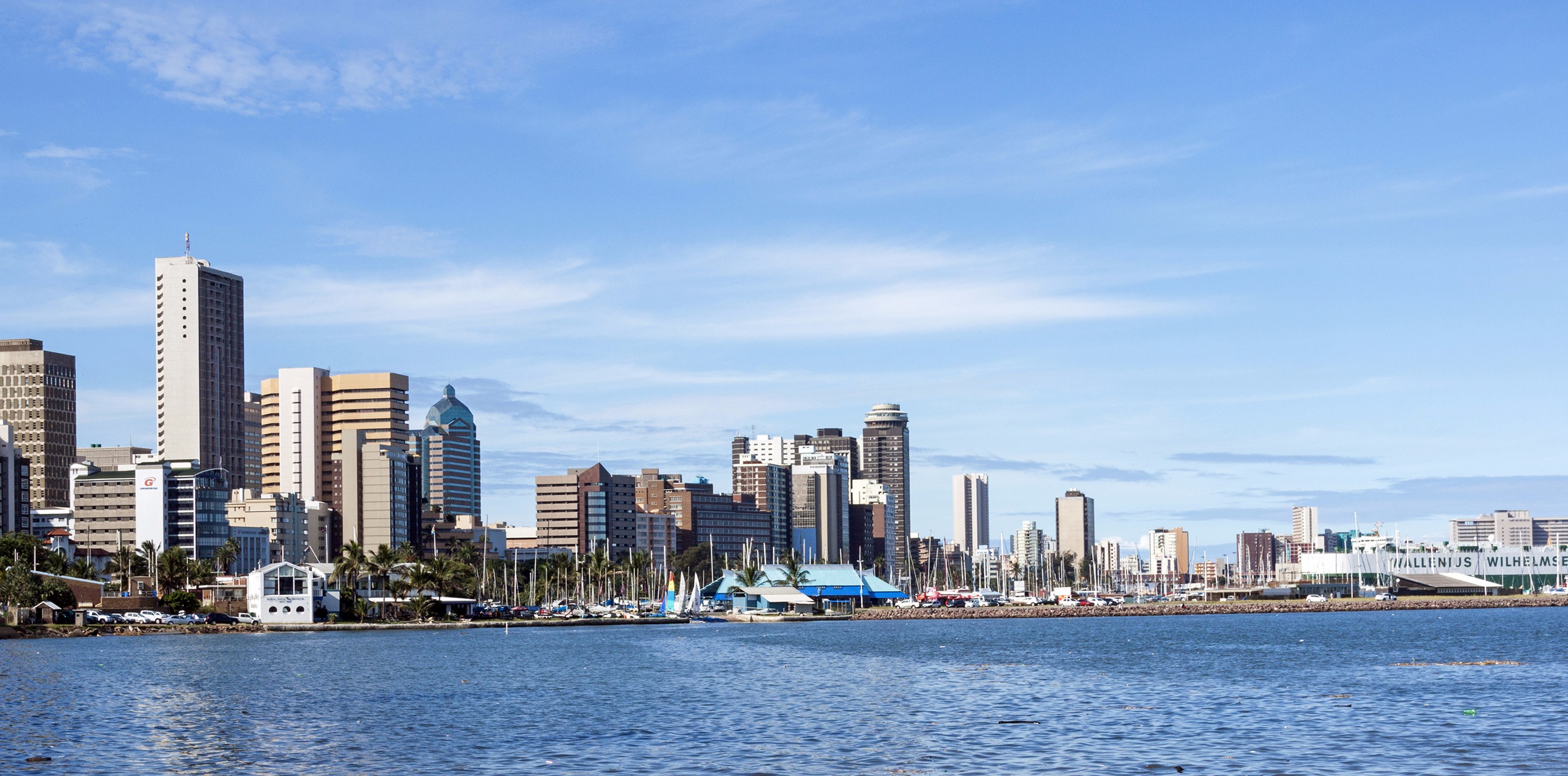
Durban, South Africa
概览
Ten outcomes from the World Economic Forum on Africa 2017
- The central banks of Kenya, Rwanda and Tanzania expressed their intent to partner with the World Economic Forum in an effort to expand access and usage of financial services. The initiative aims to bring together a coalition of local and international organizations to catalyse investment and collective action towards building an inclusive financial system that promotes sustainable economic growth in the region.
- Six top female technology entrepreneurs won the Forum’s second annual search for the top women in technology. They were invited to the World Economic Forum on Africa in Durban to discuss and generate action plans to boost entrepreneurship in Africa. They are: Temie Giwa-Tubosun of LifeBank; Esther Karwera of Akorion; Darlene Menzies of FinFind; Aisha Pandor of SweepSouth; and Charity Wanjiku of Strauss Energy.
- The World Economic Forum Africa Competitiveness Report 2017, launched in Durban, finds that the ability of sub-Saharan Africa to generate enough jobs for its growing population rests on the successful implementation of structural reforms to boost productivity.
- The Future of Jobs and Skills in Africa: Preparing the Region for the Fourth Industrial Revolution aims to serve as a guide for leaders from business, government, civil society and the education sector. Launched in Durban, the briefing finds that the region’s capacity to adapt to future job requirements leaves little room for complacency.
- Leaders of four African countries – Ghana, Kenya, Rwanda and Senegal – joined with private-sector executives and other stakeholders to recommit to mobilizing investment in agriculture through the Grow Africa partnership platform, which to date has mobilized $10.5 billion, of which $2.3 billion has been realized, reaching over 10 million smallholder farmers.
- The Durban Agreement on Open Africa was reached at a meeting of the Africa50 Global Shapers at the Transnet Port Authority in Durban on 5 May 2017. The Durban Agreement was launched after #ShapingAfrica conversations at the 2017 World Economic Forum on Africa. It aims to make a case for an open and border-free Africa by fostering cultural understanding and economic integration. Over the coming year, the Durban Hub Global Shapers will power the Uhuru (“Freedom”) Bus, driving from Hub to Hub across the continent. On this tour, they will engage with local youth and policy-makers in multistakeholder activities that allow youth to voice their vision of a united Africa.
- The Solutions Summit brought together 200 members of the Forum’s Schwab Foundation for Social Entrepreneurship, Young Global Leaders and Global Shaper communities to discuss ways to scale their impact.
- The South African government partnered with the World Economic Forum Internet for All project to accelerate the connection to the internet of 23 million additional South Africans by 2020.
- The Africa Skills Initiative agreed on business commitments in six vital areas: large-scale internships and apprenticeships at all skill levels; developing future-ready curricula; foundational education delivery; retraining for unemployed youth; research and development collaboration with universities; and expanding basic IT fluency to reach 1 million people by January 2018.
- Business leaders from the Partnering Against Corruption Initiative (PACI) and a number of African governments have agreed to create a pan-African network to carve out a strategic response to address corruption.